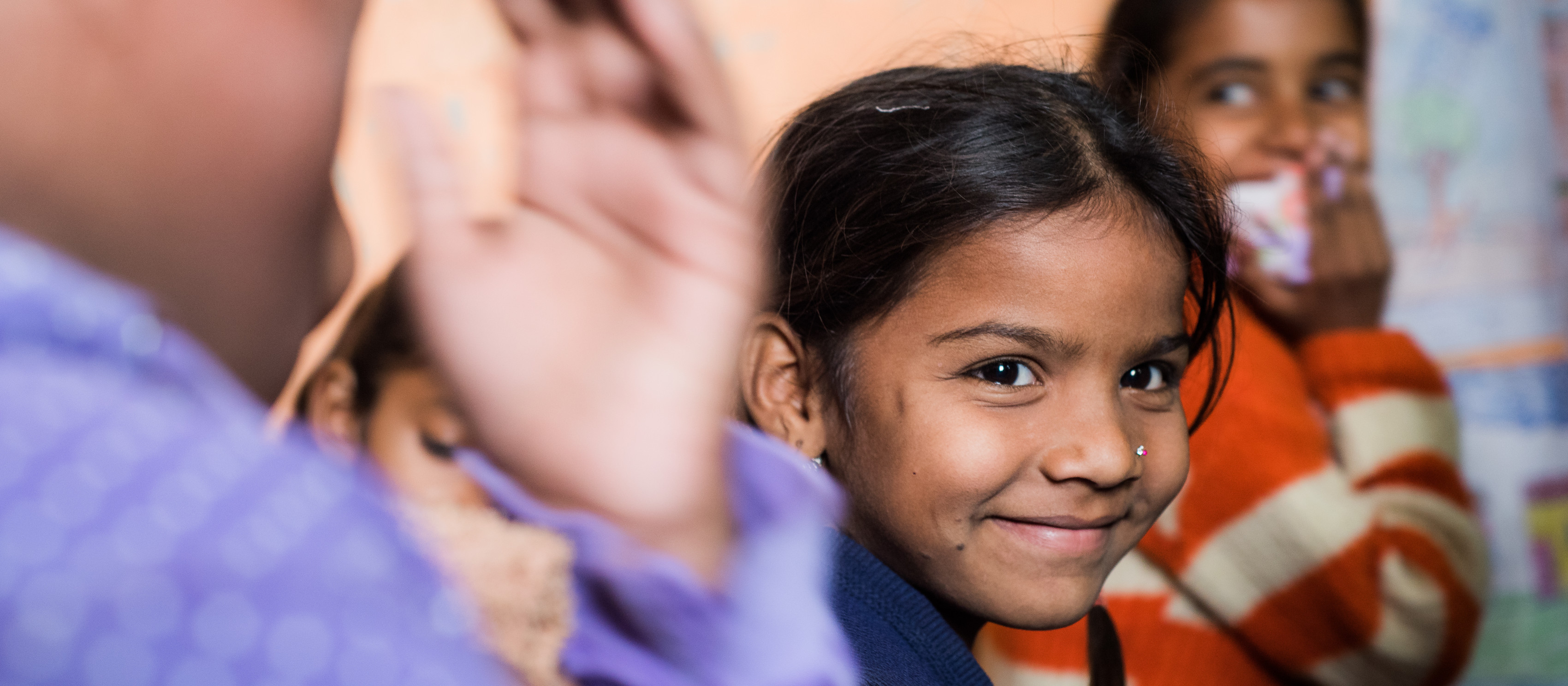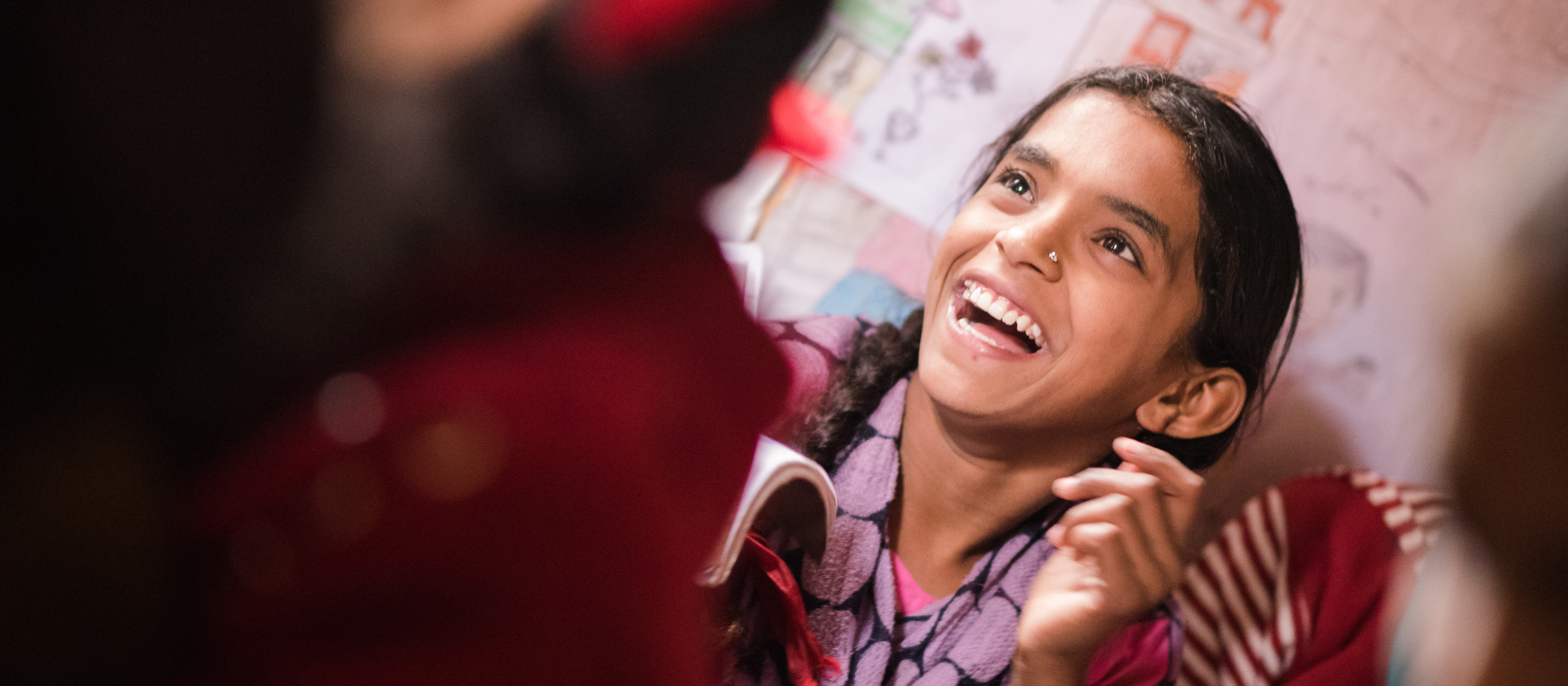




Kondh play school
Project Brief: Support to run play schools for kondh tribal children in vishakhpatnam agency region.
Project Steward: Sandeep Morthala
Co-Steward: Pavan Eswara
Project Partner(s): Contact information unavailable
Project Type: Pre-Primary
Primary Focus: children of dalits/tribals
Secondary Focus: girls
Area: Rural
More details are available on the Project Page
Details:
Most of the Kondh villages in Vishakapatnam Agency do not have government schools. There is a tribal residential school (Ashram School) in Paderu that the children attend from the ages of 7 or 8. Before that the children do not get any kind of education.
The play schools are meant to fill that gap. The focus is to create a platform where children can sing, dance and play and at the same time learn some basics to get them prepared for the ashram schools.
The schools are started by PS Ajay Kumar, who has been working with the tribals in the region for land rights and other developmental issues for the tribals.
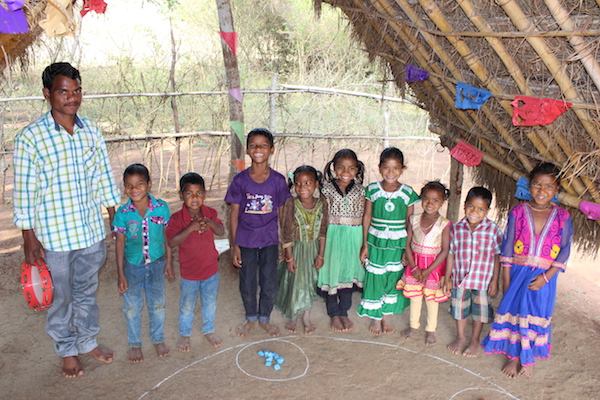
Muskaan
Project Brief: Muskaan is an organization working for education of slum children in Bhopal
Project Steward: Namrata Zalewski
Co-Steward: Garima Bangard
Project Partner(s): Shivani Taneja
Project Type: Non-Formal Educational Centers
Primary Focus: children from slums
Secondary Focus: children of dalits/tribals
Area: Tribal
More details are available on the Project Page
Details:
Muskaan extensively works in twenty four slum areas of Bhopal providing education to the underprivileged children. The organization’s primary focus is on the education of children unable to access mainstream schools. The education programs also include strengthening the quality of education in government schools, preschool programs and residential camps. The organization is deeply involved with the community through healthcare programs, women’s saving group and livelihood training to the people of basti. Most of the children are first time learners in their families. They do rag picking to provide additional income to their families and later during the day they attend classes at one of the muskaan centers.
Asha Seattle has been supporting Muskaan for education expenses since October 2005 and making a difference to the lives of underprivileged kids in the slums of Bhopal
Since 2011, Asha Stanford has been supporting camps aimed towards children of rag-pickers and laborers. Starting 2013, Asha Stanford is supporting the residential school for the children at Muskaan. Since 2014, Asha Frankfurt (Germany) is supporting the construction of Muskaan educational facilities.
The planned facility provides the permanent place for all of the education activities for the children and also a safe environment, specially for girls. Apart from class rooms and the hostel, in the facility it is also planned to have a computer room and a library, so that these children get the same exposure as other children.
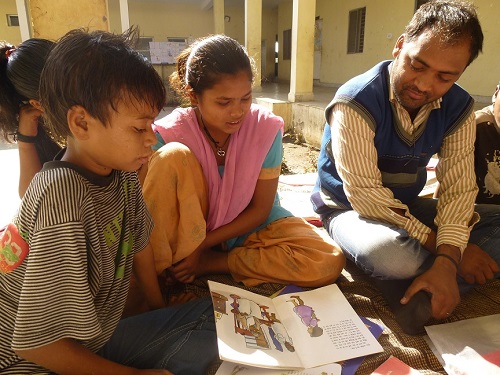
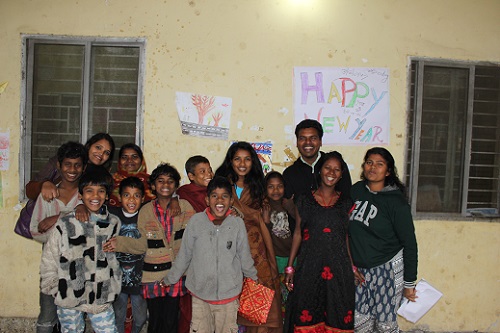
Concern for Humanity
Project Brief: Providing basic education to poor, deprived and vulnerable children in slums of Delhi
Project Steward: Sanket Sharan
Project Partner(s): Aparna Concern For Humanity
Project Type: Alternative Education
Primary Focus: children from slums
Area: Tribal
More details are available on the Project Page
Details:
In the south side of Delhi, the road starting from Chhattarpur and extending upto Bhatti Mines is surrounded on both sides by small villages/ slums/ colonies which are primarily dominated by families who are extremely poor. Although the location of this area is very much in the heart of Delhi but the socio economic condition of the people living here is very poor. Most of these families are migrants from states such as Bihar, Jharkhand, Madhya Pradesh, Chhattisgarh, and Uttar Pradesh. Here, they work as daily wage earners, as rag pickers or do menial jobs. They do not have a permanent place to live but live on squatters, in thatched huts or in rented accommodations. The area does not have any local opportunities for livelihood and so the adults travel off to Mehrauli or towards Faridabad for earning. For children, some of them go out to work and contribute to the family kitty, some accompany their parents to the work place, others look after their siblings or do household chores and the remaining largely spent the entire day on the streets playing cards, marbles, or abusing each other. Most of these children do not go to schools. The reason is that they are not welcomed in the government schools because of their poor habits, their uncivilized language and behaviour. A large majority of these children are in the age group of 4 – 14 years and they exist in big numbers. Many of these children were once enrolled in formal schools but because of the reasons mentioned above, they dropped out of schools. Besides these children, there are large number of girl children who were never enrolled in schools because their parents did not want them to be exposed to education. These mostly include girl children of minority community and girl children of migrated families.
The other problem is of the high drop out rate of children from formal schools. This includes all those children whose names have been striked out from the class registers and all such children whose names might be there on the attendance register of the schools but they never go there physically. The most common reasons for the drop out of mainstreamed children are many:
* In ability to cope with studies;
* Lack of interest in studies;
* Punishment in school;
* Work at home;
* Care of sibling;
* Shifting of residence/ demolition of slum, etc;
* Seasonal migration; and
* Frequent illness due to poor hygienic conditions in which they live;
One of the major reasons for the high drop out rates of children in the formal schools is their inability to cope with studies and so the easiest way of escaping the situation is to drop out. The challenge is to ensure retention of mainstreamed children in schools. It has been noticed that in most cases the non formal education programs help children to understand the basic literacy and get them interested in education but the efforts go waste when these children after getting mainstreamed are not able to cope with studies in the formal schools. It is therefore the utmost need that all these children should be enrolled in remediation classes. Also all the students who are weak in studies should be also enrolled in remediation classes. This serves many purposes, firstly, it helps to retain the interest of children in studies, secondly, it helps to ensure that children continue in the schools, it helps children to get adjusted in the formal school environment and most importantly remediation helps to bridge the gaps which arise when these children return back to schools after the seasonal migration.
But all the above efforts of preparing children for education will be incomplete if the parents are not roped into the program. And this can be made possible by regularly updating parents on the performance of their wards. The entire culture of education will percolate into this section of society only when parents can get assurance that their wards are performing.
It is with this background that the proposed project has been worked out. The proposed project would address the issue of access, mainstreaming and retention.